

Start with the label: Kona is a place, not a flavour adjective
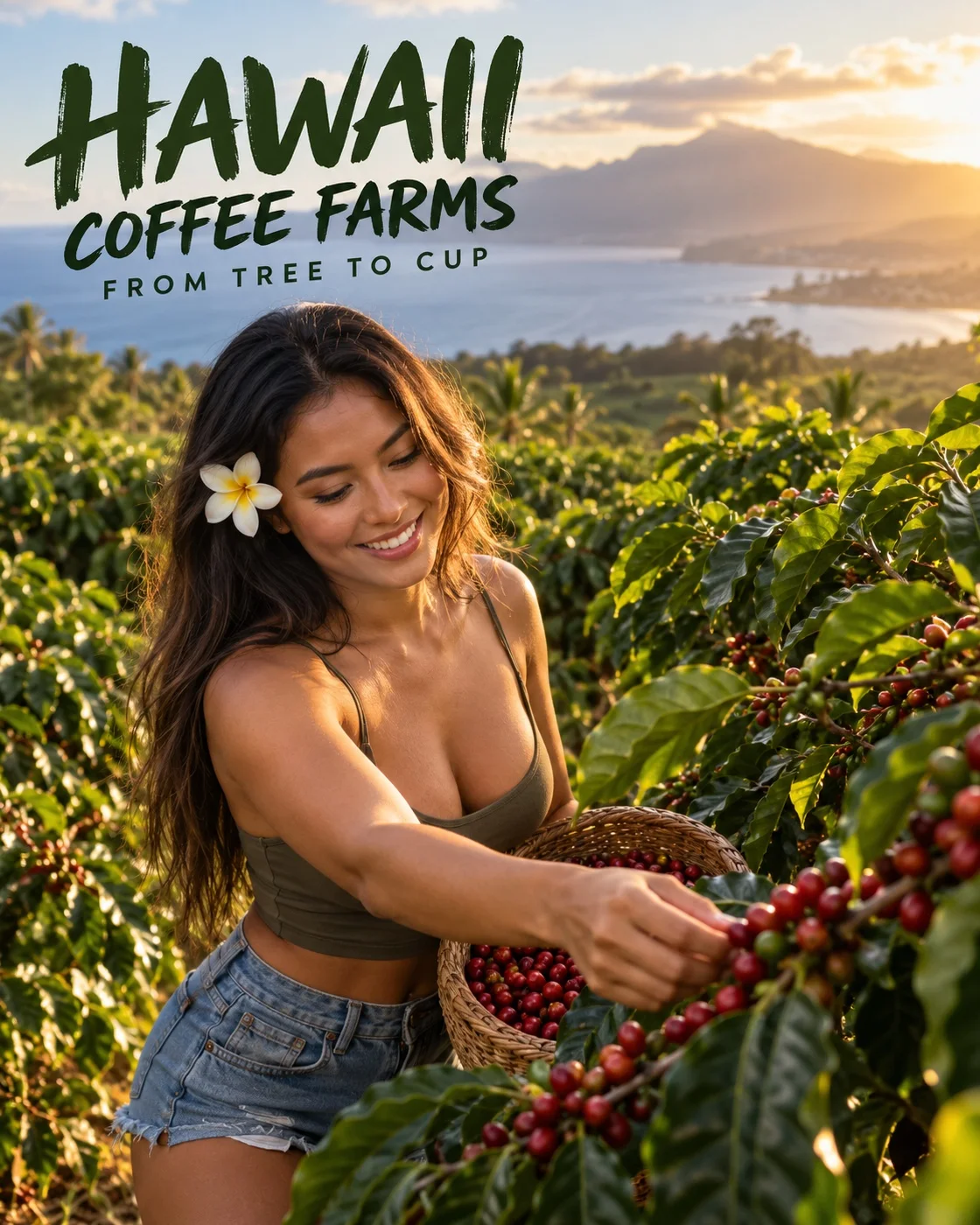
If I could fix one coffee misunderstanding before a Hawaiʻi trip, it would be this: “Kona” is a geographic origin. GoHawaii describes 100% Kona coffee as coffee grown in North and South Kona on Hawaiʻi Island, where upland elevation, volcanic soils, sunny mornings and cloudier afternoons shape the growing conditions. Farms and mills are spread through the Kona districts, and many welcome visitors for tours and tastings.
The 2026 blend rule is easy to misread
Hawaiʻi's current coffee-labelling law still allows a geographic-origin blend to use that origin at a minimum of 10% coffee by weight through 30 June 2027, with percentage/origin disclosure requirements. Act 198 changes that threshold on 1 July 2027: a blend using a Hawaiʻi geographic origin such as Kona must contain at least 51% coffee by weight from that origin. A package identified as 100% Kona is a different claim again.
So in 2026, “Kona blend” and “100% Kona coffee” are not interchangeable. Read the identity statement and the origin percentages instead of judging the bag by a large KONA word on the front. Buying at a farm can give you better traceability and someone to ask, but the label — not the romance of the setting — tells you what is in the bag.
What a worthwhile farm tour should show you
A useful coffee tour is more than a tasting flight. I look for a guide who can connect the tree to the cup: growing conditions, picking, pulping, drying, milling, roasting and how defects are sorted. Some farms are polished visitor operations; others are small working farms with rougher paths and fewer facilities. Neither format is automatically better.
- Short tasting stop: good if coffee is an add-on to a Kona day.
- Farm-and-mill tour: better if you want to understand processing rather than just buy beans.
- Living-history angle: useful if you care about the labour and migration story behind Kona coffee, not only tasting notes.
Book around your route, not a mythical “perfect harvest day”
Farms operate year-round, while visible flowering, cherry picking and processing vary by elevation, weather and season. If seeing a particular stage matters to you, ask the farm what is happening before booking. I would not drive across Hawaiʻi Island solely because an old blog promises every farm is harvesting in the same month.
Kona is not Hawaiʻi's only coffee story
GoHawaii also points visitors toward coffee from Kaʻū, Puna, Hilo and Hāmākua on Hawaiʻi Island. Oʻahu and Maui have smaller coffee-growing operations too. Kona is the protected name most visitors recognise, but a tasting becomes more interesting when you compare origins rather than treating non-Kona Hawaiʻi-grown coffee as a consolation prize.
Accessibility, heat and farm terrain
Working farms can include slopes, gravel, uneven ground, sun and rain exposure. If someone in your group needs step-free access, shade, seating or an accessible toilet, ask the farm before you arrive. “Tour available” does not tell you how much of the growing area is realistically accessible.
Buying beans without getting conned by the front label
- Check the geographic-origin percentage. In 2026, a Kona blend may legally be far from 100% Kona.
- Look for a roast date when available. It is more useful for freshness than a distant best-before date.
- Buy the roast you actually liked. Expensive does not mean your palate owes the bag a standing ovation.
- Keep the receipt and packaging. It preserves the origin information if you are comparing farms later.
Cheers, Carpe Diem & read the coffee label before the tasting notes read you! 🍻⏳☕
TATS Man
Your bean-to-bag reality checker